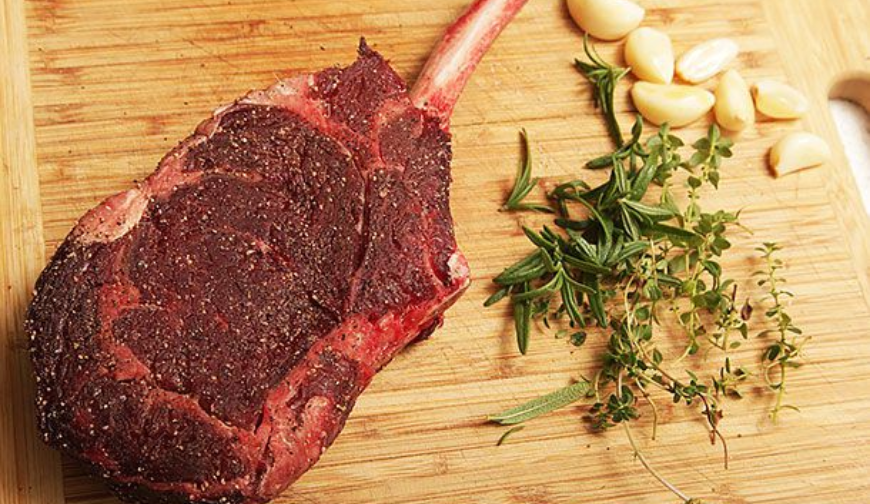
The connection between diet and mental health is an area of growing scientific interest, with evidence suggesting that what we eat can significantly influence our mood, cognition, and overall mental well-being. The carnivore diet, which focuses on animal-based foods, has recently garnered attention for its potential mental health benefits. This article delves into the relationship between meat consumption and mental health, exploring the science behind the claims and the factors to consider when adopting a meat-based diet.
The Role of Nutrition in Mental Health
Mental health is closely linked to the nutrients we consume, as the brain requires specific vitamins, minerals, and compounds to function optimally. Deficiencies in key nutrients can impair neurotransmitter production, disrupt brain function, and increase the risk of mental health disorders.
Essential Nutrients Found in Meat
- Vitamin B12: Critical for brain health, memory, and mood regulation.
- Iron: Vital for oxygen transport in the brain and energy production.
- Zinc: Supports cognitive function and helps manage stress.
- Omega-3 Fatty Acids: Found in fatty fish, they reduce inflammation and enhance brain health.
- Amino Acids: Protein building blocks necessary for neurotransmitter synthesis (e.g., serotonin and dopamine).
Scientific Insights on Meat and Mental Health
1. Meat Consumption and Depression
A study published in Nutritional Neuroscience found a correlation between adequate meat consumption and reduced rates of depression and anxiety. Participants with meat in their diets reported fewer depressive symptoms compared to those on plant-based diets.
Key Findings:
- Meat provides bioavailable nutrients like B12 and iron, which are often lacking in vegetarian or vegan diets.
- These nutrients play a critical role in serotonin production, a neurotransmitter that stabilizes mood.
2. Carnivore Diet and Anxiety Reduction
Preliminary research in the Journal of Affective Disorders suggests that the carnivore diet may alleviate symptoms of anxiety in some individuals.
- Hypothesis: Eliminating inflammatory plant compounds (e.g., lectins, phytates) may reduce neuroinflammation, a factor in anxiety disorders.
- Clinical Outcomes: Participants reported feeling calmer and more focused within weeks of adopting the diet.
3. Omega-3s and Cognitive Health
Fatty fish, a staple in the carnivore diet, is rich in omega-3 fatty acids, which have been extensively studied for their mental health benefits.
- Benefits:
- Improved memory and cognitive function.
- Reduced risk of dementia and Alzheimer’s disease.
- Stabilization of mood disorders, including bipolar disorder.
Potential Mechanisms: How Meat Impacts the Brain
1. Neurotransmitter Production
- Meat provides essential amino acids like tryptophan and tyrosine, precursors for serotonin and dopamine.
- Balanced neurotransmitter levels are crucial for managing stress, motivation, and happiness.
2. Anti-Inflammatory Effects
- Animal-based diets may reduce systemic and neuroinflammation by eliminating plant-derived irritants.
- Chronic inflammation has been linked to depression, anxiety, and cognitive decline.
3. Blood Sugar Stabilization
- The high-fat, low-carb nature of the carnivore diet minimizes blood sugar fluctuations, reducing mood swings and energy crashes.
Criticisms and Considerations
1. Over-reliance on Meat
Critics argue that a diet excessively focused on meat may lack fiber and antioxidants found in plant-based foods, which also support mental health.
Solution: Incorporate nutrient-dense animal products like organ meats and fatty fish to maximize nutritional variety.
2. Risk of Nutrient Deficiencies
While the carnivore diet provides many essential nutrients, it may lack vitamin C, magnesium, and certain antioxidants.
Solution:
- Consume fresh organ meats, which contain trace amounts of vitamin C.
- Consider supplements for nutrients not present in the diet.
Real-Life Testimonials
Many individuals have reported significant mental health improvements after adopting the carnivore diet:
- Case Study 1:
A 35-year-old woman with chronic anxiety reported feeling calmer and less stressed after two months on the diet, attributing the changes to stable energy levels and reduced inflammation. - Case Study 2:
A 42-year-old man recovering from depression experienced a noticeable improvement in mood and focus within weeks of adopting the diet, citing the removal of processed foods as a key factor.
Practical Tips for Mental Health on a Carnivore Diet
- Prioritize Quality: Choose grass-fed and pasture-raised meats for optimal nutrient density.
- Include Variety: Incorporate different types of meat, organ meats, and fatty fish to meet diverse nutritional needs.
- Monitor Your Progress: Keep a journal to track changes in mood, energy, and mental clarity.
- Consult a Professional: Seek guidance from a healthcare provider to ensure the diet is tailored to your needs.
Conclusion
The connection between meat consumption and mental health is supported by a growing body of evidence, highlighting the role of essential nutrients in brain function and emotional well-being. While the carnivore diet may not be suitable for everyone, it offers a promising approach for those seeking to optimize their mental health through diet.
As research continues to evolve, understanding the relationship between meat and mental health can empower individuals to make informed dietary choices that support both body and mind.