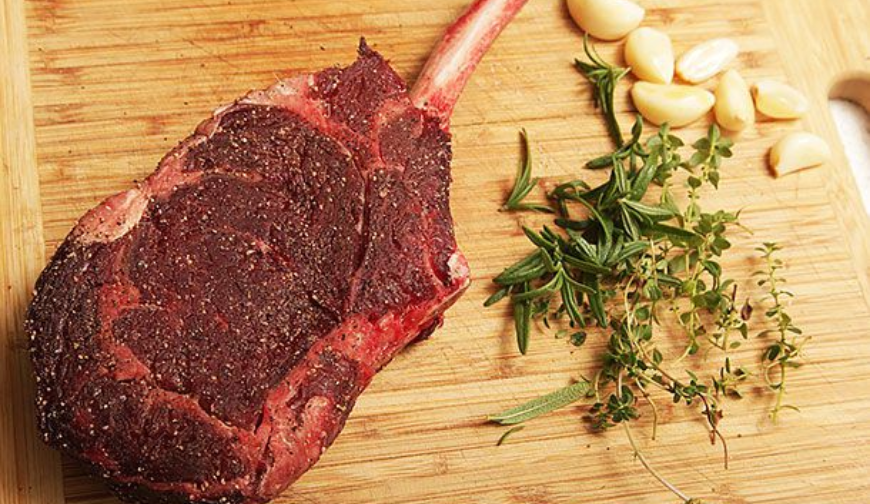
The carnivore diet has gained significant attention in recent years, sparking debates about its health benefits, scientific backing, and modern adaptations. While rooted in ancestral eating patterns, the diet has evolved into a contemporary lifestyle, complete with trends, tools, and scientific insights. This article delves into the history, evolution, and modern updates of the carnivore diet, highlighting why it’s more relevant than ever.
A Brief History of the Carnivore Diet
The carnivore diet is far from a new concept; its origins date back to early human history:
- Hunter-Gatherer Diets: Early humans relied on animal-based foods, consuming meat, fish, and organ meats for survival during harsh climates where plant-based foods were scarce.
- Cultural Practices: Traditional diets, such as those of the Inuit and Maasai tribes, predominantly consisted of animal products, showing how people have thrived on meat-centric diets for centuries.
- Rediscovery in the 20th Century: Researchers like Vilhjalmur Stefansson, an Arctic explorer, documented the health benefits of meat-only diets in the early 1900s, reigniting interest in animal-based eating.
The Carnivore Diet in the Modern Era
Modern iterations of the carnivore diet have taken these ancient practices and adapted them to contemporary lifestyles. Key updates include:
1. From Survival to Optimization
Today, the carnivore diet isn’t just about survival; it’s about optimizing health. Advocates report improvements in conditions like:
- Autoimmune diseases
- Inflammation
- Metabolic health
This shift from necessity to choice has positioned the carnivore diet as a therapeutic lifestyle option.
2. Incorporating Science and Technology
Advancements in science have supported the diet’s claims:
- Studies on low-carb and ketogenic diets reveal benefits in insulin sensitivity, mental clarity, and energy levels.
- The rise of wearable devices and apps allows dieters to track progress, monitor macros, and optimize nutrient intake.
3. Addressing Modern Challenges
While early adopters of the diet faced skepticism, today’s practitioners have tools and resources to overcome challenges, including:
- Community Support: Online forums and social media groups offer a sense of belonging and shared knowledge.
- Recipes and Meal Plans: Websites like Carnivore.recipes provide inspiration for varied, enjoyable meals.
- Medical Backing: Collaboration with nutritionists and physicians helps individuals safely transition to the diet.
Trends in the Carnivore Diet
1. Organ Meat Renaissance
Organ meats like liver, heart, and kidney are making a comeback due to their nutrient density. Modern carnivore dieters are rediscovering these “superfoods” for their high vitamin and mineral content.
2. Gourmet Carnivore Cooking
Gone are the days of plain grilled meat. Culinary enthusiasts are experimenting with:
- Sous vide cooking
- Dry-aging meat at home
- Creating zero-carb sauces and seasonings
3. Personalized Carnivore Plans
Not all carnivore diets are the same. Modern practitioners tailor their diets to include:
- Strict Carnivore: Only animal products, no seasoning or dairy.
- Ketovore: Incorporates some low-carb foods like eggs and butter.
- Carnivore + Dairy: Allows for cheese and cream for additional flavor and fat.
4. Grass-Fed and Sustainably Sourced Meat
There’s an increasing focus on sustainability and ethical sourcing, with many dieters opting for grass-fed, pasture-raised, and locally sourced meats to reduce environmental impact and enhance meat quality.
The Role of Technology in Advancing the Diet
1. Recipe Platforms and Blogs
Websites like Carnivore.recipes provide a hub for meal ideas, tips, and a supportive community. These platforms make it easier for newcomers to navigate the diet.
2. Food Delivery Services
Companies now offer subscriptions for grass-fed meats and specialty products, delivering high-quality ingredients directly to your doorstep.
3. Apps and Tracking Tools
From macro calculators to habit trackers, technology empowers dieters to monitor their journey and stay consistent.
Challenges and Criticism
Despite its evolution, the carnivore diet faces skepticism. Common criticisms include:
- Environmental Impact: Concerns about meat production and sustainability.
- Nutrient Balance: Misconceptions about deficiencies without plant foods.
However, modern dieters counter these challenges with responsible sourcing and a focus on nutrient-dense foods.
The Future of the Carnivore Diet
As research continues, the carnivore diet is poised to evolve further. Emerging trends may include:
- Medical Integration: Wider acceptance among healthcare professionals as a therapeutic option.
- New Products: Innovative zero-carb snacks and supplements.
- Expanded Research: More scientific studies on long-term effects and specific health conditions.
Conclusion
The carnivore diet has come a long way, from its roots in ancestral eating to a thriving modern movement. By blending tradition with innovation, today’s carnivore enthusiasts enjoy a lifestyle that’s both practical and beneficial. As new trends emerge and scientific backing grows, the carnivore diet is set to remain a cornerstone of health optimization for years to come.