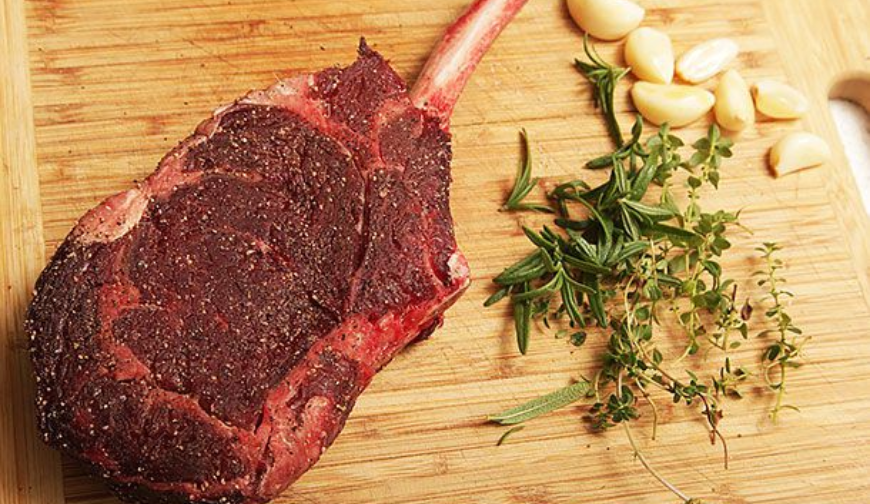
There’s something undeniably special about a perfectly cooked prime rib roast. Its tender, juicy interior, encased in a beautifully seared crust, makes it the centerpiece of any holiday table. This slow-roasted prime rib recipe is a timeless classic, designed to deliver a melt-in-your-mouth experience with minimal fuss. Whether you’re a seasoned cook or an ambitious beginner, this guide will walk you through every step to achieve a flawless roast.
Why Prime Rib?
Prime rib, also known as a standing rib roast, is cut from the primal rib section of the cow. It’s well-marbled with fat, which translates to incredible flavor and tenderness when cooked properly. The slow-roasting method ensures even cooking, while the final high-temperature sear creates a delicious crust.
Ingredients
- 5-7 lb prime rib roast (bone-in recommended)
- 1/4 cup tallow (or substitute with butter or olive oil)
- Sea salt (to taste)
Step-by-Step Instructions
1. Prep the Roast (24 Hours Ahead)
- Salt the Roast: Generously season the prime rib with sea salt on all sides. This step is crucial as it draws out moisture, which is then reabsorbed, seasoning the meat from within and enhancing its flavor.
- Dry Age (Optional): For an even deeper flavor, dry age the roast in your refrigerator for 3-7 days. Place it on a wire rack set over a baking sheet to allow air circulation.
2. Bring to Room Temperature
- Remove the roast from the refrigerator 2-3 hours before cooking. Letting it come to room temperature ensures even cooking.
3. Preheat the Oven
- Preheat your oven to 200°F (93°C). This low temperature is key to slow-roasting, allowing the meat to cook gently and evenly.
4. Prepare the Roast
- Rub with Tallow: Coat the entire roast with tallow. This fat layer helps create a flavorful crust and keeps the meat moist during cooking.
- Bone-In Tip: If your roast is bone-in, consider cutting the bones off and tying them back on with kitchen twine. This makes carving easier while still allowing the bones to impart flavor.
5. Slow Roast
- Place the roast on a rack in a roasting pan, bone-side down. Insert a probe thermometer into the thickest part of the meat, avoiding the bone.
- Roast at 200°F until the internal temperature reaches 125°F (52°C) for medium-rare. This will take approximately 4-5 hours, depending on the size of your roast.
6. Rest the Roast
- Once the roast reaches the desired temperature, remove it from the oven and let it rest for 30 minutes. Resting allows the juices to redistribute, ensuring a moist and tender result.
7. Sear for the Perfect Crust
- Increase the oven temperature to 550°F (288°C).
- Return the roast to the oven and sear for 8-10 minutes, or until the exterior is golden brown and crispy. Keep a close eye on it to prevent burning.
Pro Tips for Success
- Choose Bone-In: A bone-in roast not only adds flavor but also helps insulate the meat, ensuring even cooking.
- Use a Probe Thermometer: This is the most accurate way to monitor the internal temperature and avoid overcooking.
- Dry Age for Depth: Dry aging in the fridge for 3-7 days intensifies the flavor and tenderizes the meat.
- Carving Tips: Slice against the grain for maximum tenderness, and use a sharp carving knife for clean cuts.
Variations to Explore
- Smoked Prime Rib: Smoke the roast at 225°F (107°C) for a rich, smoky flavor. Use wood like hickory or oak for best results.
- Herb-Crusted Version: Mix chopped rosemary, thyme, garlic, and black pepper with softened butter. Spread this mixture over the roast before cooking.
- Stand Rib Roast Method: Cook the roast with the bones standing upright for a dramatic presentation.
- Reverse Sear Method: Start with a high-temperature sear, then finish in a low oven. This method works well for smaller roasts.
Serving Suggestions
- Pair your prime rib with classic sides like creamy horseradish sauce, Yorkshire pudding, roasted vegetables, or a crisp green salad.
- Don’t forget to save the bones for making a rich beef stock or soup!
Conclusion
Slow-roasted prime rib is more than just a meal—it’s an experience. With its tender, juicy interior and perfectly seared crust, this roast is sure to impress your family and friends. By following these steps and tips, you’ll master the art of prime rib and create a holiday centerpiece that’s both delicious and memorable.
So, roll up your sleeves, preheat that oven, and get ready to savor the best prime rib of your life. Happy cooking!